Understanding Interior Design Styles: Finding What Works for Your Home
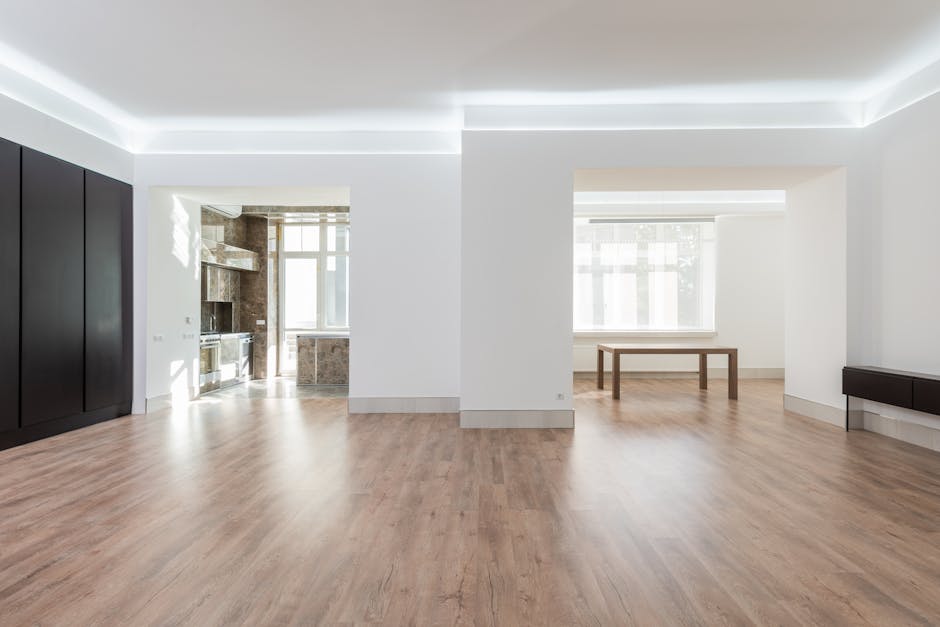
Interior design styles are constantly evolving, but understanding the key movements can help you create a cohesive, beautiful home that reflects your personality and lifestyle. Rather than randomly collecting furniture and décor, choosing a style—or blending elements from several—gives your space direction and purpose.
Contemporary and Modern Design. These terms are often used interchangeably, though contemporary specifically means current trends, whilst modern refers to a specific historical movement. Both favour clean lines, minimal clutter, and functional furniture. Neutral colour palettes with bold accent colours are typical. This style works well in smaller spaces and appeals to those who prefer simplicity.
Traditional and Classic Design. If you love warmth, comfort, and timeless elegance, traditional design might suit you. Think rich colours, ornate furniture, layered textures, and classic patterns. This style suits period properties particularly well and creates inviting, lived-in spaces.
Scandinavian Design. Originating from Nordic countries, Scandinavian design emphasises functionality, natural light, and cosy comfort. Pale colours, natural materials like wood, and minimal decoration create calm, practical spaces. It's ideal for UK homes where natural light can be limited.
Industrial Design. Raw materials, exposed brick, metal fixtures, and large windows characterise industrial style. It works particularly well in converted warehouses and loft spaces, celebrating the building's original features rather than hiding them.
Bohemian Design. For those who love colour, pattern, and eclecticism, bohemian style offers freedom and creativity. Mix vintage finds, global textiles, plants, and artwork in an intentionally imperfect way. It's perfect for creative individuals who want their home to tell a story.
Minimalist Design. Taking simplicity further than contemporary design, minimalism removes all non-essential elements. Every item serves a purpose. This style reduces stress, makes cleaning easier, and creates serene environments.
Finding your style. Don't feel pressured to commit entirely to one style. Many successful homes blend elements from different movements. Collect images of spaces you love, note common elements, and experiment with small changes before committing to larger investments.
Your home should reflect how you actually live, not how you think it should look. The best design is one that makes you happy when you walk through the door each day.