Creating a Home Office That Actually Works: Design Tips for Productivity
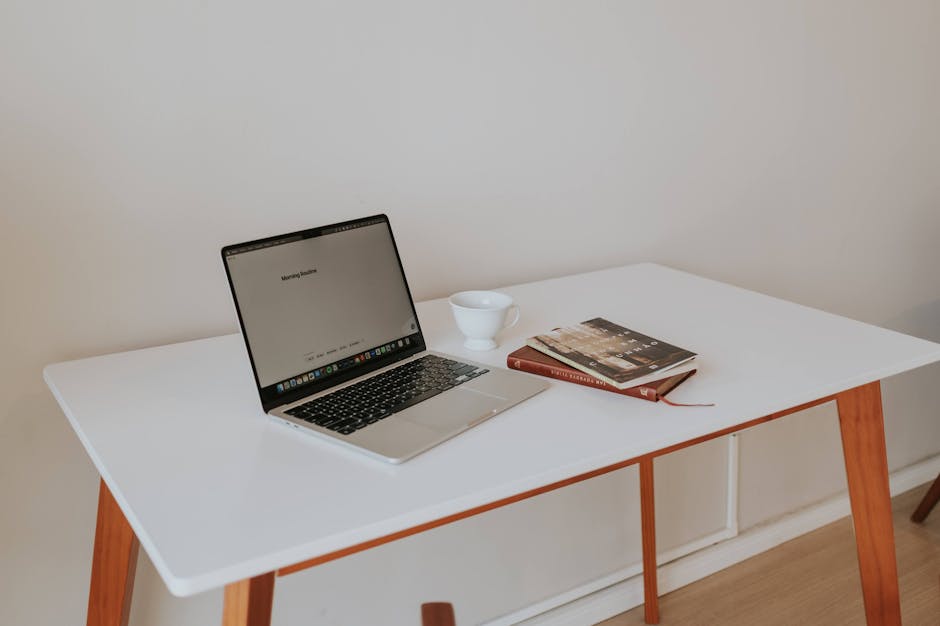
Working from home has become the norm for many of us, making a proper home office essential rather than optional. A dedicated workspace that's comfortable, organised, and free from household distractions significantly impacts productivity and job satisfaction. Good office design supports focus, reduces fatigue, and makes working from home genuinely enjoyable.
Location matters. Choose a quiet area away from household traffic and distractions. A spare bedroom is ideal, but a corner of the living room or dining room can work if properly separated. Avoid bedrooms if possible—maintaining boundaries between work and sleep areas is psychologically important. Natural light is invaluable for mood and productivity, so position your desk near windows when feasible.
Invest in proper furniture. An ergonomic chair and desk are not luxuries—they're essential for health and comfort during long working days. Your monitor should be at eye level, elbows at 90 degrees, and feet flat on the floor. Poor posture leads to back pain, neck strain, and reduced productivity. Quality furniture is a worthwhile investment in your wellbeing.
Lighting is crucial. Combine natural light with task lighting to reduce eye strain. A desk lamp is essential for evening work and darker days. Avoid harsh overhead lighting that causes fatigue. Layered lighting allows you to adjust brightness throughout the day.
Organise your storage. A cluttered desk creates mental clutter and distraction. Invest in filing systems, shelving, and desk organisers to keep everything you need accessible but not visible. Close the office door at the end of the day so you don't see work materials during personal time.
Minimise distractions. Put your phone in another room during focused work periods. Use website blockers if necessary. Communicate boundaries to household members—just because you're home doesn't mean you're available for interruptions.
Add personality and comfort. Your office should feel welcoming, not institutional. Plants improve air quality and mood; artwork makes the space feel personal; a comfortable rug adds warmth. Small touches make the space genuinely enjoyable to spend time in.
Consider acoustics. If you take video calls, background noise is problematic. Soft furnishings like rugs, curtains, and upholstered furniture absorb sound. Alternatively, a small screen or bookshelf can create acoustic separation.
Temperature and ventilation. A stuffy office reduces concentration. Ensure good ventilation and the ability to control temperature. These factors significantly affect how well you work.
A well-designed home office supports both productivity and wellbeing. Take time planning your space, invest in essentials like ergonomic furniture, and create an environment where you genuinely enjoy spending your working hours.